At a Glance
- Savannah buyers judge homes on moisture tells first: rust stains, blue-green plumbing stains, sulfur odors, and HVAC condensation.
- Yard drainage and live oak canopy upkeep matter as much as curb appeal in Coastal Georgia.
- Historic District homes may need approval before exterior repairs, so confirm timelines before you start work.
- Pressure washing, a pine straw refresh, and HVAC servicing tend to deliver the strongest return before listing.
- A pre-listing inspection lets sellers address issues on their own terms instead of during buyer negotiations.
Why Savannah Home Prep Is Different
There are three reasons preparing a Savannah-area home requires a different approach than a generic home-selling checklist. Before making any repairs, it helps to understand what affects your Coastal Georgia home value in the first place. First, lowcountry humidity changes everything. Moisture affects HVAC systems, crawl spaces, trim, roofing materials, windows, and buyer confidence. When buyers smell moisture or see evidence of water intrusion, they immediately begin wondering what they can’t see. Second, drainage matters. Many Coastal Georgia homes deal with standing water, heavy summer storms, high groundwater tables, and marsh-influenced drainage patterns. Buyers who see water sitting near a house don’t think about landscaping. They think about insurance, foundations, and future repair bills. Understanding Savannah flood zones and insurance costs can help you anticipate these concerns before buyers do. Third, historic regulations create complexity. What appears to be a simple repair or repainting project may involve approvals, timelines, and restrictions that don’t exist elsewhere. That’s why preparing a Savannah home isn’t about making it look perfect. It’s about reducing uncertainty.The Lowcountry Humidity Audit: What Buyers Notice First
Every Savannah house tells a story.
The question is whether that story builds confidence or creates concern.
Rust Staining
Start by looking carefully at HVAC registers, garage hardware, exterior fixtures, porch connections, water heaters, and crawl-space components.
Rust doesn’t necessarily mean there’s a serious problem. But buyers don’t know whether they’re seeing age, moisture exposure, salt-air corrosion, or deferred maintenance.
They assume risk.
If it’s cosmetic, clean it. If it’s active, fix it.
Blue-Green Staining Around Plumbing Fixtures
Blue-green staining around sinks, tubs, showers, or exterior hose bibs can signal water chemistry issues, copper corrosion, aging plumbing, or mineral content concerns.
The exact cause matters less than the fact that buyers notice it immediately.
If your home relies on well water, testing before listing often prevents difficult conversations later.
Sulfur or Rotten-Egg Odors
This is one of the biggest tells in Coastal Georgia.
Sulfur odors may originate from well water, water heaters, drain bacteria, or plumbing vent systems. Buyers don’t diagnose the source.
They simply decide whether the home feels healthy.
Bottom line, odor problems don’t improve during negotiations.
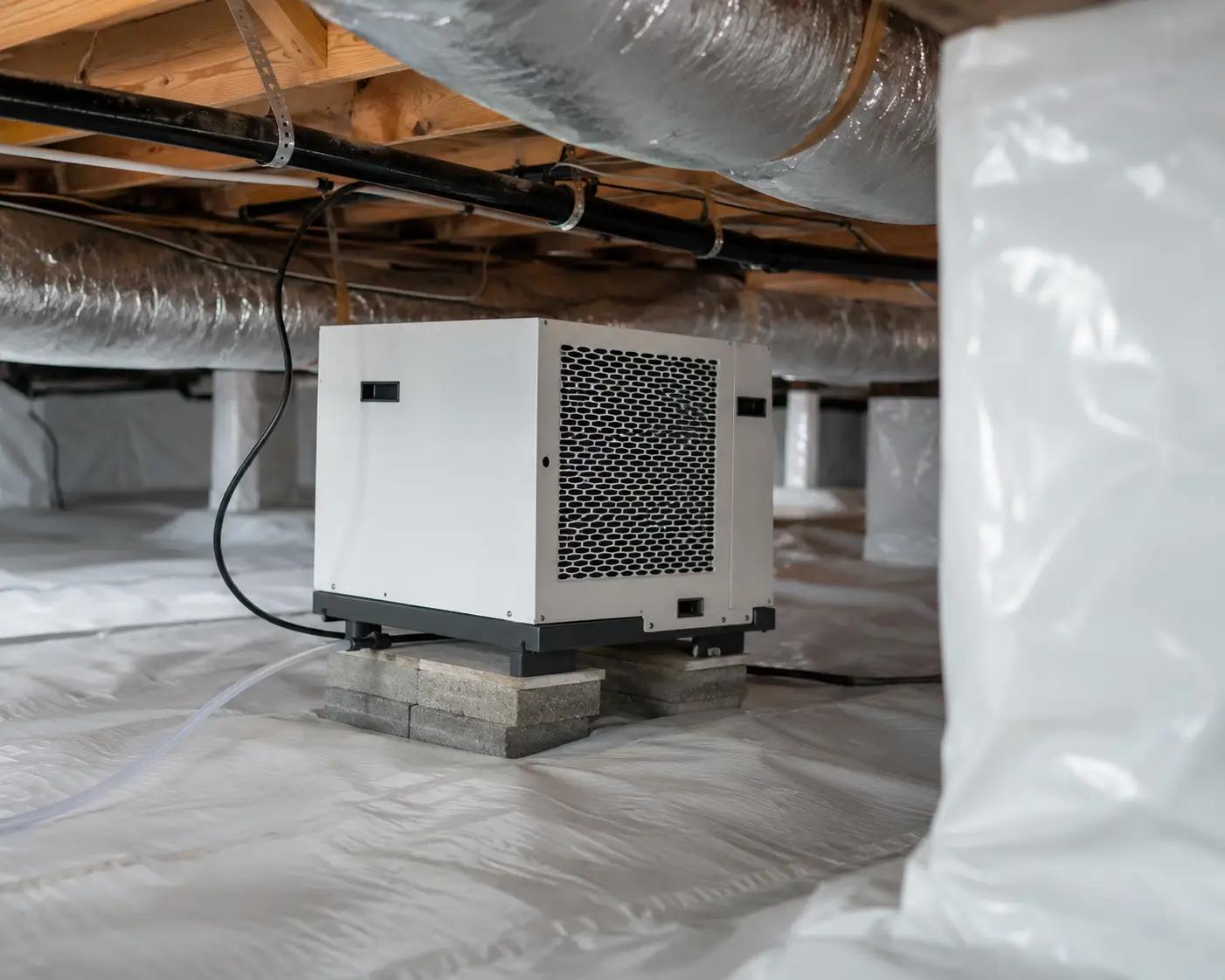
HVAC Sweating and Attic Moisture
Our climate pushes HVAC systems hard.
Pay attention to sweating ducts, condensation around vents, overflow stains, clogged condensate lines, damp insulation, and poor attic ventilation.
One of the easiest ways to build buyer confidence is to service your HVAC system before listing and provide documentation.
Buyers love boring mechanical systems.
Wood Rot
Inspect every location where water tends to sit:
- Door thresholds
- Window trim
- Fascia boards
- Porch columns
- Exterior corners
- Deck connections
- Garage trim
I’ve seen transactions become difficult because of two or three pieces of rotten trim.
Not because the repairs were expensive.
Because buyers assumed the visible problems represented invisible ones.
Bottom line, buyers negotiate based on fear, not repair estimates.
Lowcountry Yard Prep: What Savannah Buyers Actually Notice
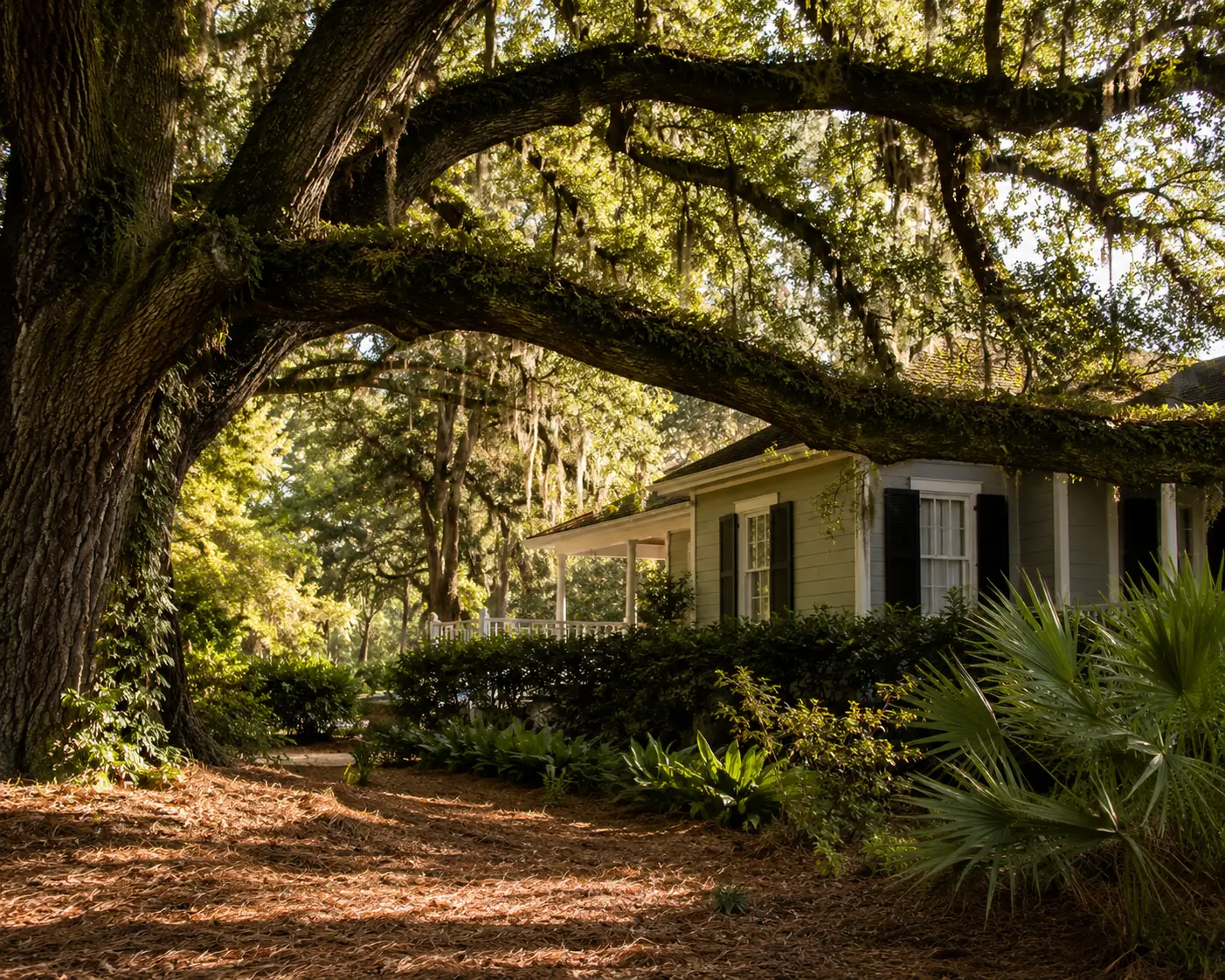
Landscaping in Coastal Georgia serves two purposes.
It creates curb appeal.
It also proves maintenance.
Check Drainage After Storms
Don’t inspect your yard during perfect weather.
Inspect it after heavy rain.
Look for standing water, soft ground near foundations, overflowing gutters, poor downspout drainage, muddy pathways, and pooling around crawl-space vents.
Water creates questions.
Questions create concessions.
Live Oaks and Canopy Management
Everyone loves Savannah’s live oaks.
Buyers love them too.
What they don’t love includes dead limbs, excessive moss accumulation, roof debris, dark overgrown yards, and branches touching structures.
Tree maintenance isn’t cosmetic.
It’s preventative maintenance.
Pressure Washing Delivers Huge ROI
Few improvements transform a Savannah property faster than pressure washing.
Focus on brick walkways, front porches, driveways, sidewalks, patios, and exterior surfaces where appropriate.
Humidity buildup can visually age a home by years.
Pressure washing can reverse much of that.
Refresh Pine Straw
Fresh pine straw remains one of the best investments in Coastal Georgia curb appeal.
Keep it clean, thin, consistent, and away from wood siding.
Simple details signal proper maintenance.
Historic District Rules Can Affect Your Timeline
If you’re selling in Savannah’s Historic District, Victorian District, or another protected area, preparation begins with research.
Many sellers assume they can simply repair or repaint visible exterior components.
Sometimes they’re right.
Sometimes they’re not.
That’s an expensive gamble.
Always verify requirements before beginning visible exterior work. Reviewing the Savannah Historic District renovation rules in advance can save weeks of delay.
I’ve seen sellers lose weeks because they started projects before understanding approval requirements.
The correct sequence is simple:
- Identify necessary repairs.
- Verify approval requirements.
- Obtain contractor timelines.
- Schedule photography.
- Schedule listing.
Hope is not a strategy.
Planning is.
The Savannah-Specific Fixes That Move Offers Most
The strongest return-on-investment projects are rarely the biggest projects.
The best prep items are often:
- Crawl-space moisture control
- HVAC servicing
- Gutter cleaning
- Pressure washing
- Oak debris removal
- Exterior trim repair
- Minor drainage improvements
- Pine straw refresh
I once worked with an Army homeowner facing condition challenges and limited equity. By identifying problems before listing, we were able to structure repairs into the transaction and preserve the sale.
The lesson was simple.
A pre-listing inspection moves surprises to your side of the table.
That’s where leverage exists.
What Not to Fix
Not every project deserves your money.
Some improvements feel productive because they’re expensive.
That doesn’t mean buyers care.
Jetted tubs are often viewed as maintenance liabilities rather than luxury features.
Very few buyers remember two-story foyer paint, but they absolutely remember moisture odors.
A rushed all-white kitchen renovation rarely creates the return sellers expect.
And forcing a formal dining room into a trendy flex space often creates more confusion than value.
I recently worked with a distressed property in Rincon where coordinating repairs, appraisal requirements, financing, and timelines mattered far more than cosmetic upgrades.
That’s the lesson most sellers miss.
Preparing a home for sale isn’t decorating.
It’s problem-solving.
Final Thoughts
If you’re preparing to sell in Savannah, Pooler, Richmond Hill, Wilmington Island, Tybee Island, Rincon, Port Wentworth, or Hinesville, start by identifying risk.
Find the tells.
Fix the tells.
Then worry about paint colors.
Bottom line, never assume. You can’t expect what you don’t inspect.
The sellers who perform best in Coastal Georgia aren’t necessarily the ones with the nicest houses.
They’re the ones who remove the most uncertainty before the first buyer walks through the front door. Once those fixes are done, see what your Savannah home could sell for before you list.
Frequently Asked Questions
What should I fix before selling my Savannah home?
The first priority is fixing anything that creates buyer uncertainty. In Savannah, that usually means moisture issues, HVAC maintenance, wood rot, drainage concerns, roof debris, and obvious deferred maintenance. Cosmetic updates can help, but buyers in Coastal Georgia are far more sensitive to condition signals than paint colors. If you’re unsure where to start, a pre-listing inspection can help prioritize repairs based on what buyers and inspectors actually care about.
How does humidity affect a Savannah home inspection?
Humidity affects almost every part of a Coastal Georgia home. Inspectors frequently identify crawl-space moisture, attic condensation, sweating HVAC ducts, mold-like staining, wood rot, and musty odors. These issues don’t automatically kill deals, but they do create questions and negotiation leverage for buyers. Identifying and addressing moisture concerns before listing often protects both your sale price and your negotiating position.
Do I need a permit to repaint a Savannah Historic District home before listing?
Possibly. Some maintenance and like-for-like repairs may not require formal approval, but exterior changes in Savannah’s Historic District can trigger review requirements. Before changing exterior paint colors, windows, doors, railings, trim, or visible architectural features, verify requirements with the City of Savannah. A simple assumption can quickly become a costly delay.
Should I get a pre-listing home inspection in Savannah?
For many Savannah-area homes, the answer is yes. Older homes, properties with crawl spaces, homes near marsh areas, and houses with visible maintenance concerns often benefit from a pre-listing inspection. The goal isn’t necessarily to fix every item. The goal is to move surprises onto your side of the table, where you still have leverage.
Does staging matter for Savannah sellers?
Staging absolutely matters, but only after condition issues are addressed. Buyers can overlook furniture choices. They rarely overlook odors, moisture concerns, deferred maintenance, or poor curb appeal. Once the house feels clean, dry, and well-maintained, staging helps buyers emotionally connect with the space and visualize themselves living there.
What yard work should I do before listing a Coastal Georgia home?
Focus on drainage, tree maintenance, debris removal, gutter cleaning, pressure washing, and refreshing landscaping materials like pine straw. Buyers notice standing water, roof debris, overgrown landscaping, and neglected outdoor spaces immediately. Your yard should communicate that the property has been consistently maintained and cared for.
How much should I spend on prep before selling my Savannah home?
Most sellers should focus on repairs that improve buyer confidence and reduce inspection concerns rather than investing heavily in cosmetic renovations. HVAC servicing, pressure washing, moisture control, gutter cleaning, and minor repairs often provide better returns than major remodeling projects. Before spending significant money, understand your home’s current market value and competitive position.
If you’re thinking about selling in Savannah, Pooler, Richmond Hill, Wilmington Island, Tybee Island, Rincon, Port Wentworth, or Hinesville, start with the numbers before you start spending money on repairs. Use our free Coastal Georgia home value calculator to get an initial estimate, then request a professional comparative market analysis to see how your property compares against current competition. Call me directly at 912-351-8935 to discuss your home’s condition, pricing strategy, and what preparation work actually makes financial sense before listing.


Join The Discussion