
TL;DR
Most pre-sale renovation advice is generic. For Savannah and Coastal Georgia in 2026, only six fixes consistently return more than they cost, four are usually neutral, and five upgrades buyers reject regardless of how much you spent. Before opening your wallet, focus on improvements that remove buyer objections, not projects that simply look expensive.
Most pre-sale renovation lists are written by people who do not sit at a Coastal Georgia closing table 30 times a year. I do. Here is what actually moves the offer, and what’s a waste of your money no matter what HGTV showed you.
One of the biggest mistakes I see is homeowners assuming every renovation adds value. It doesn’t. Buyers don’t reimburse sellers for every dollar they spend. Instead, they pay more for homes that feel well maintained, move-in ready, and unlikely to create surprises after the inspection.
Across Savannah, Pooler, Richmond Hill, Wilmington Island, Rincon, Port Wentworth, Tybee Island, and Hinesville, the homes that attract stronger offers usually have something in common. They aren’t necessarily the newest or the most luxurious. They’re the ones that feel cared for.
National research supports this approach. The NAR Remodeling Impact Report and the Remodeling Magazine Cost vs. Value Report consistently show that maintenance-focused improvements often outperform major remodels when it comes to return on investment.
Before deciding what to repair, it’s worth spending time prepping a Savannah home for sale and getting an instant Savannah home value estimate so you understand where your property stands compared to competing listings.
The 6 Pre-Sale Fixes That Consistently Return Their Cost (Or More) in Coastal Georgia
1. Exterior Paint (Where Allowed) and Professional Pressure Washing
Your buyer forms an opinion before they ever step inside.
Dirty siding, mildew stains, faded trim, stained driveways, and neglected porches immediately raise questions about how the rest of the home has been maintained. Fortunately, cleaning the exterior is also one of the most affordable improvements you can make.
A professional pressure wash can make concrete, brick, siding, fences, and walkways look years newer. If exterior paint is peeling or badly faded, targeted repainting often produces a strong return. For historic properties, always review Savannah Historic District renovation rules before making exterior changes.
Simple improvements buyers notice include:
Clean siding and brick
Fresh trim paint
Pressure-washed driveway and sidewalks
Weed-free flower beds
A tidy front porch
None of those projects are flashy. All of them improve buyer confidence.
2. Service the HVAC and Control Moisture
In Coastal Georgia, moisture is one of the first things experienced buyers notice.
A musty smell immediately raises concerns about mold, crawl space conditions, or deferred maintenance. That’s why I recommend servicing the HVAC system before listing, replacing filters, cleaning vents, and making sure crawl spaces or attics stay dry.
The EPA’s guidance on mold and moisture reinforces the same principle. Moisture problems should always be solved before cosmetic improvements.
I worked with a VA seller in Richmond Hill whose first instinct was updating finishes. Instead, we corrected moisture concerns and handled the inspection items first. The buyer moved forward with confidence because the house felt well maintained. Those repairs mattered far more than cosmetic upgrades.
3. Fix Inspection Issues Before Buyers Find Them
Nothing costs sellers more than problems discovered during the inspection.
Roof leaks, electrical defects, plumbing leaks, damaged flashing, loose railings, water intrusion, and unsafe conditions all become negotiating points. Buyers don’t simply notice these problems. They assume there are others they haven’t found yet.
A pre-listing inspection often uncovers issues while you still control the timeline, the contractor, and the cost. If your home uses a private well, testing the water before listing also helps eliminate one more buyer concern.
Here’s the lesson I’ve learned after years of negotiations.
Spend money where inspectors look first, not where television remodeling shows tell you to. A clean inspection report creates confidence. Confidence creates stronger offers.
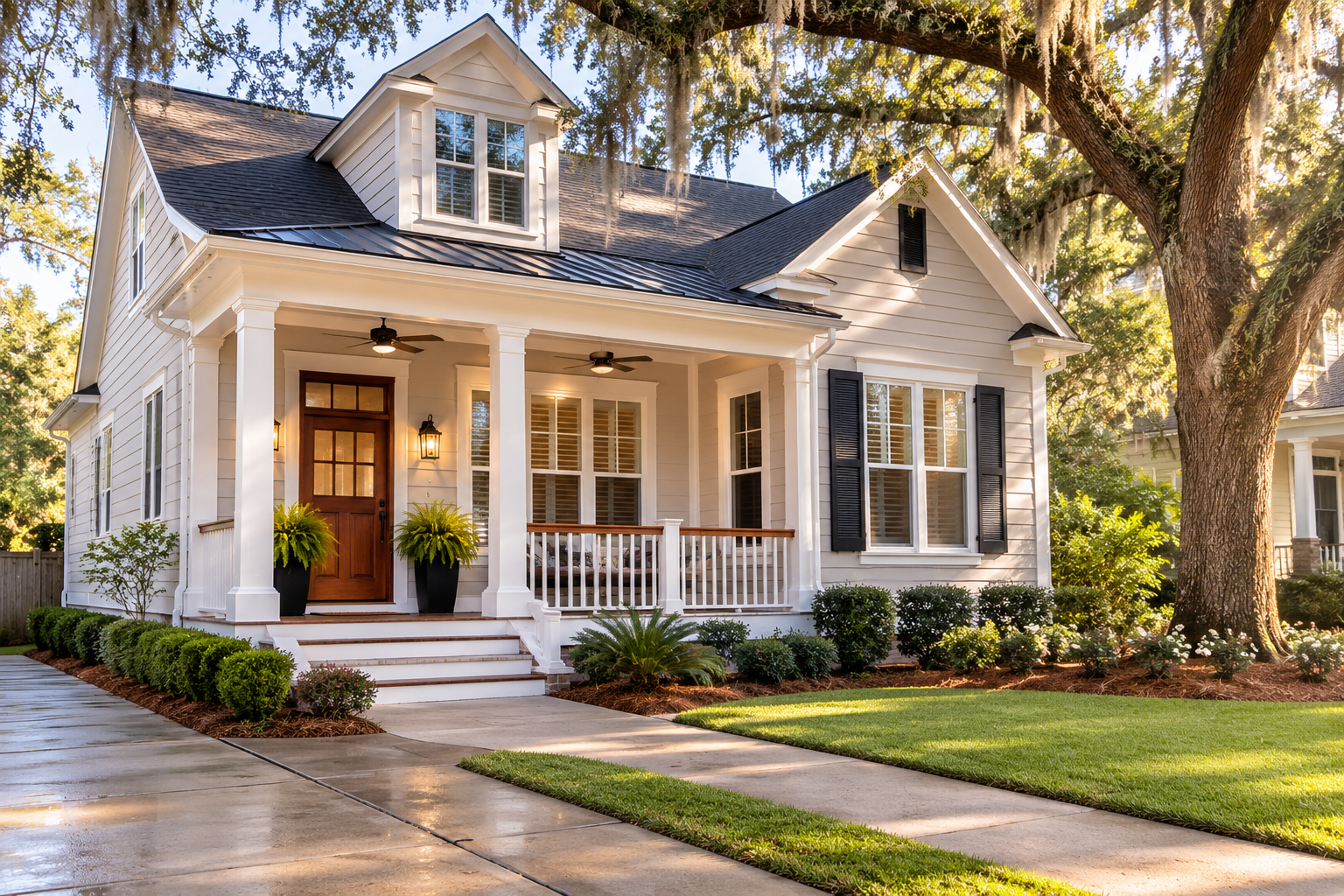
4. Refresh the Front Door and Boost Curb Appeal
The front door is where buyers decide whether a house feels welcoming.
You don’t need an expensive entry makeover. A freshly painted front door, updated house numbers, modern exterior lighting, a new welcome mat, trimmed landscaping, and healthy mulch often make a dramatic difference for a relatively small investment.
Think of your front entry as the handshake before the conversation begins. If that handshake feels neglected, buyers walk inside looking for more problems.
Look for these easy wins:
Repaint or refinish the front door.
Replace worn hardware.
Update the porch light if it’s dated.
Add fresh mulch and neatly edged flower beds.
Remove dead plants and overgrown shrubs.
Clean windows and sweep porches.
These aren’t glamorous projects, but together they create the impression that the entire property has been cared for.
5. Refresh the Kitchen Instead of Remodeling It
One of the biggest mistakes I see is homeowners tearing apart a perfectly functional kitchen right before selling.
Most buyers aren’t looking for your dream kitchen. They’re looking for a clean, bright, well-maintained space where they can picture themselves cooking. Spending months on a full remodel rarely returns every dollar at closing.
Instead, focus on inexpensive updates that make the kitchen feel newer without changing its layout.
Good investments include:
Repainting cabinets if they’re worn.
Replacing dated cabinet hardware.
Installing a modern faucet.
Updating light fixtures.
Repairing damaged countertops if possible.
Touching up paint and caulk.
Deep cleaning every cabinet, appliance, and surface.
Those changes cost a fraction of a renovation while making the room feel significantly fresher.
I often tell sellers that buyers can live with cabinets they don’t love. They struggle to overlook dirty grout, broken hardware, or dripping faucets.
6. Regrout Bathrooms and Replace Worn Fixtures
Bathrooms don’t have to be luxurious. They have to feel clean.
Old caulk, stained grout, rusty fixtures, water stains, or loose towel bars immediately suggest deferred maintenance. Fortunately, these are some of the least expensive repairs you can make before listing.
Refreshing a bathroom usually means:
Regrouting tile.
Replacing old caulk around tubs and showers.
Installing updated faucets and shower heads.
Replacing worn mirrors or vanity lights.
Repairing running toilets or leaking plumbing.
Deep cleaning every surface.
These improvements help buyers feel that the bathroom has been maintained, even if it isn’t brand new.
One Army homeowner couple had a condition-challenged home that needed attention before listing. Instead of investing heavily in cosmetic upgrades, we focused on repairs buyers and inspectors actually cared about. The transaction closed because the home presented as solid and well maintained. That’s a lesson worth remembering.
Spend on what affects confidence, not what photographs well.
The 4 Fixes That Are Usually Neutral (Only Do Them If Condition Is Bad)
Not every repair deserves your money.
Some projects can help if the existing condition is hurting the home’s appeal. Otherwise, they often return about what they cost, or less. I usually recommend these only when buyers would notice obvious wear.
Carpet Replacement
Replacing carpet makes sense when it’s stained, torn, heavily worn, or carrying odors from pets or smoke.
If the carpet is clean and still has life left, professional cleaning is often enough. Buyers understand they’ll eventually choose flooring that fits their own style.
Major Landscaping
Landscaping should frame the home, not compete with it.
I’ve seen sellers spend weeks and thousands of dollars installing elaborate gardens that buyers planned to remove after closing.
Trim overgrown trees, edge beds, add mulch, remove dead plants, and keep the lawn healthy. That’s usually enough.
Driveway Repair
A driveway with major cracks, broken edges, or safety hazards deserves attention.
Minor cosmetic imperfections usually don’t influence an offer enough to justify complete replacement. Buyers expect some wear on older homes.
Garage Door Replacement
A damaged garage door can hurt curb appeal.
An older door that still works properly usually doesn’t need replacing just because it’s dated. A professional cleaning, fresh paint where appropriate, and servicing the opener often accomplish nearly the same goal for much less money.
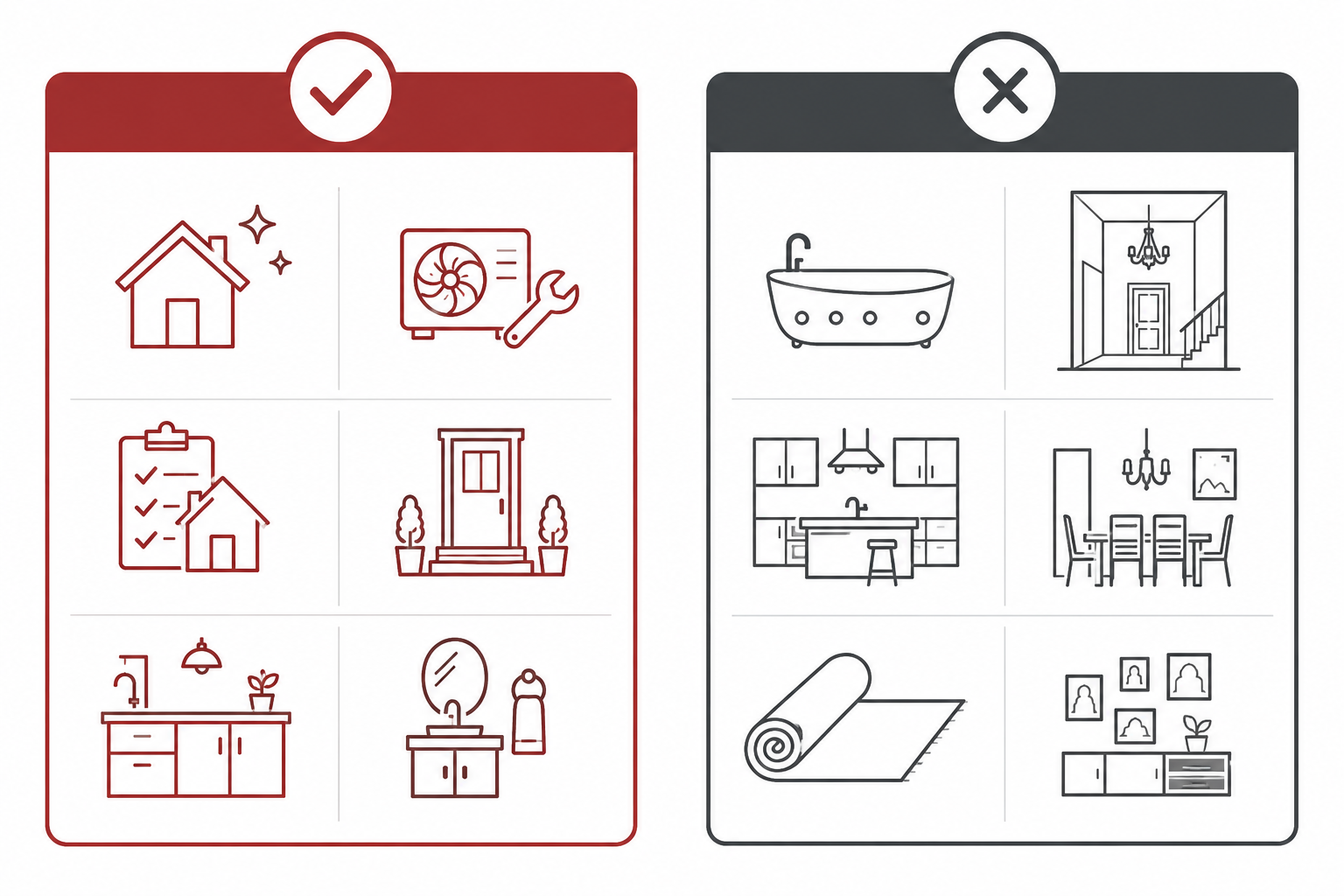
The 5 Features Coastal Georgia Buyers Reject Regardless of How Much You Spent
Every market develops trends.
Over the past several years, I’ve noticed certain features consistently generate negative reactions during showings, regardless of how expensive they were to install.
Jetted Tubs
Years ago, oversized whirlpool tubs felt luxurious.
Today, many buyers immediately wonder how difficult they are to clean. Some also worry about maintenance and bacteria inside the plumbing lines.
Most buyers would rather have a spacious walk-in shower than a tub they’ll rarely use.
Two-Story Foyers
Tall entryways certainly create drama, but they also create practical concerns.
Buyers mention heating and cooling costs, echo, difficult light bulb changes, and wasted square footage far more often than they compliment the ceiling height.
All-White Kitchens
White kitchens dominated design trends for years.
Now many buyers see them as predictable, difficult to keep spotless, and lacking warmth. Natural wood accents, subtle contrast, and balanced finishes tend to receive better reactions than an entirely white room.
Formal Dining Rooms
Family lifestyles have changed.
Dedicated dining rooms are increasingly viewed as underused space. Buyers often ask whether they could convert them into a home office, playroom, or flex room instead.
Flexible layouts usually generate more enthusiasm than rooms with only one purpose.
Wall-to-Wall Carpet in Main Living Areas
This is one of the most common objections I hear during showings.
Buyers worry about allergens, trapped odors, pet hair, stains, and long-term maintenance. Hard flooring in primary living spaces continues to be the preference for many Coastal Georgia buyers.
One lesson ties all of these sections together.
The highest-return sellers don’t spend the most money. They spend it in the right places. Every repair should answer one question:
Will this make buyers feel more confident about the condition of the home?
If the answer is yes, it’s usually money well spent. If the answer is no, save your budget for something that will.
The Trap: Full Renovation Theory vs. Micro-Fix Reality
One of the hardest conversations I have with sellers is telling them they don’t need to renovate everything.
Television shows make it look like every home needs a brand-new kitchen, luxury bathrooms, custom lighting, and designer finishes before it can sell. That’s entertaining television. It isn’t how buyers make decisions in Coastal Georgia.
The homes that consistently sell well aren’t always the newest or the most expensive. They’re the homes that feel well maintained and accurately priced.
I once worked with what I’d describe as an undesirable listing client archetype. The seller believed the property was worth far more than comparable homes. At the same time, they spent heavily on cosmetic renovations that weren’t supported by the neighborhood or the market. They frequently changed contractors, second-guessed repair decisions, and wanted every improvement to justify an even higher asking price.
The problem wasn’t just the renovations.
It was the mindset.
Every recommendation became an argument because the expectation was that spending more automatically meant the market would pay more.
That’s not how real estate works.
Eventually, it became clear we weren’t aligned on pricing, renovation strategy, or how to prepare the home for sale. I made the decision to terminate the listing before bringing it to market.
That experience reinforced something I’ve seen many times.
Poor renovation decisions and unrealistic pricing usually travel together.
The opposite is also true.
The sellers who achieve the best outcomes usually start with a realistic understanding of market value. They invest in repairs that remove buyer concerns, price the home competitively, and let the market do its job.
Another transaction illustrates the difference.
I represented a VA seller in Richmond Hill whose home had several condition issues that could have caused problems during a VA appraisal. Instead of recommending broad cosmetic upgrades, we focused on the repairs that mattered most. We corrected the inspection concerns, documented the work, and structured the transaction around those improvements. The buyer closed with confidence because the condition supported the value.
I saw the same approach work for an Army homeowner couple whose property needed attention before listing. Rather than chasing trends, we concentrated on the issues buyers and inspectors would immediately notice. The repairs became part of the negotiation strategy instead of becoming obstacles during due diligence.
That’s the difference between renovating for yourself and preparing a home for the market.
One is emotional.
The other is strategic.
Pricing discipline and renovation discipline go together. If you’re unsure where your property stands, start by reviewing how to price your Savannah home before deciding where to invest your budget. You can also use the free Coastal Georgia home value calculator to understand your home’s current position in today’s market.
The best pre-sale investment isn’t always the biggest one.
It’s the one that gives buyers fewer reasons to hesitate.
How to Read Your Home with a Stager’s or Agent’s Eye in 30 Minutes
You don’t need professional design training to evaluate your own home.
You simply need to stop looking at it like the owner.
Walk outside, stand at the curb, and pretend you’ve never seen the property before. Your first impression should answer one question.
Would I be excited to walk inside?
If the answer isn’t immediately yes, start there.
Next, walk through the home without turning on the television, talking to family members, or checking your phone. Move room by room and make notes instead of trying to solve everything at once.
Here’s the sequence I recommend.
Step 1. Start Outside
Look at the landscaping, driveway, siding, windows, roofline, gutters, mailbox, and front entry.
Ask yourself:
Does anything look neglected?
Is there mildew or dirt?
Are bushes blocking windows?
Does the front door feel inviting?
Step 2. Use Your Nose
One of the biggest mistakes sellers make is becoming nose blind.
Pay attention to:
Pet odors.
Smoke.
Cooking smells.
Mustiness.
Excessive air fresheners trying to hide another problem.
If you notice any of these, buyers certainly will.
Step 3. Look Up
Ceilings tell stories.
Water stains, cracked drywall, peeling paint, or discoloration immediately raise questions about leaks or deferred maintenance.
Step 4. Look Down
Floors receive more attention than most sellers realize.
Watch for scratched hardwood, stained carpet, cracked tile, loose transitions, or damaged baseboards.
Step 5. Open Everything
Open every door, cabinet, window, closet, and garage door.
Buyers do.
If something sticks, squeaks, doesn’t latch, or feels loose, fix it before the first showing.
Step 6. Turn Everything On
Run faucets.
Flush toilets.
Test light switches.
Operate ceiling fans.
Check exhaust fans.
A home that functions smoothly feels better maintained.
Step 7. Finish Like a Buyer
When you’re done, ask yourself one final question.
If I had to spend my own money today, what would still make me hesitate?
Those answers become your repair list.
Everything else is optional.
Sequence matters because every improvement builds confidence for the next one. Clean first. Repair second. Refresh third. Decorate last.
That’s how buyers experience a home, and it’s the order that usually delivers the strongest return before you list your property.
Frequently Asked Questions
What renovations have the best ROI when selling in Savannah?
Should I renovate my kitchen before selling my Coastal Georgia home?
Usually, no. A full kitchen remodel rarely returns every dollar you spend if you’re selling immediately afterward. Instead, focus on updates that make the kitchen feel clean and well maintained. Fresh paint, modern cabinet hardware, updated faucets, improved lighting, and a deep professional cleaning can dramatically improve buyer perception without the cost and disruption of a complete renovation.
Should I replace my HVAC before selling a Savannah home?
Only if it’s no longer functioning properly or has reached the end of its useful life. In many cases, a professional service, documented maintenance records, clean filters, and addressing any moisture concerns provide enough reassurance for buyers. Buyers appreciate systems that have been maintained, even if they aren’t brand new.
Do buyers care about paint color in Coastal Georgia?
Is a pre-listing inspection worth it in Savannah?
What home features turn off Coastal Georgia buyers?
How much should I spend on pre-sale repairs?
There’s no universal number because every property is different. My advice is to spend money where buyers and inspectors pay the most attention. Fix maintenance issues first, address safety concerns second, and make affordable cosmetic improvements third. Don’t assume a larger renovation budget automatically produces a higher sales price. Strategic improvements almost always outperform unnecessary upgrades.
If you’re wondering where your home stands before spending money on repairs, start with my free Coastal Georgia home value calculator. You’ll get a better understanding of today’s market before making renovation decisions. If you’d like more personalized advice, I can also prepare a professional Comparative Market Analysis (CMA) that identifies which improvements are likely to produce the strongest return for your specific property. Call me at 912-351-8935 to discuss your goals and see what your Coastal Georgia home could sell for before you invest another dollar.



Join The Discussion